The Mount Pico Azores is one of Portugal’s most iconic natural landmarks. Standing at 2,351 meters above sea level, it dominates Pico Island and holds the title of the country’s highest mountain. More than just a geographic wonder, Mount Pico is also a cultural symbol and a destination for adventure seekers, nature lovers, and those eager to explore the unique heritage of the Azores.
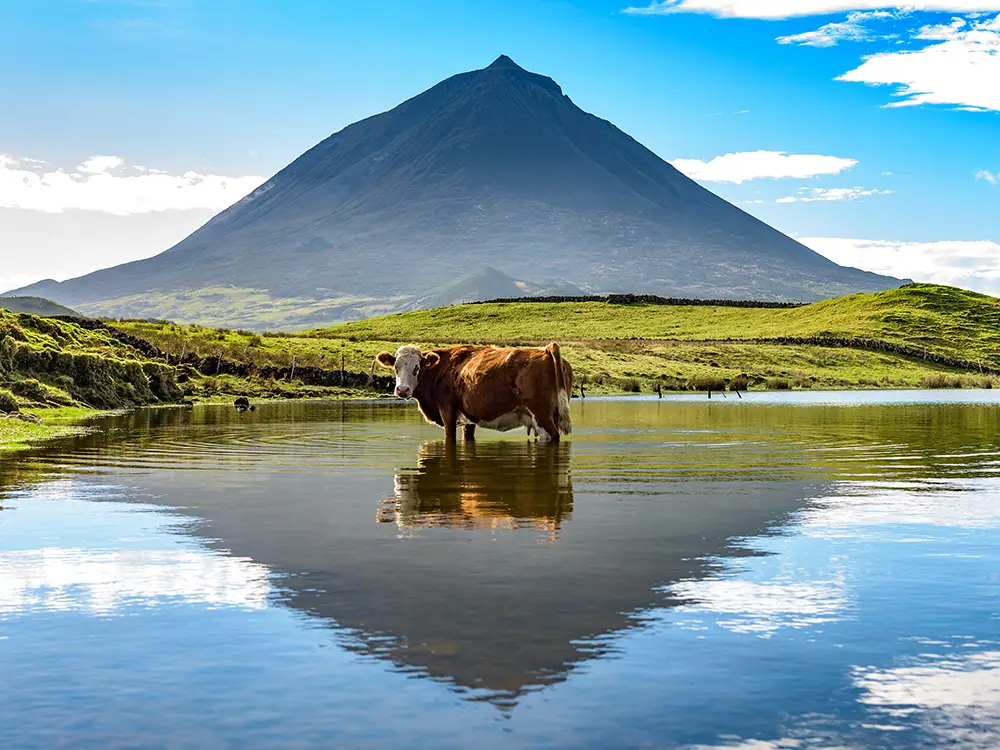
Mount Pico rises majestically from Pico Island, part of the central group of the Azorean archipelago in the mid-Atlantic Ocean. It is a stratovolcano, still considered active, with its last eruption recorded in 1718. At its summit lies the “Piquinho”, a small volcanic cone that emits fumaroles, reminding visitors of the mountain’s living volcanic nature.
With its peak at 2,351 meters, Mount Pico surpasses Portugal’s mainland Serra da Estrela by more than 1,000 meters. If measured from its submarine base, the mountain reaches over 5,000 meters, making it one of the largest volcanic structures in the Atlantic Ocean.
Since the arrival of the first settlers in the 15th century, Mount Pico has been a cultural reference point and a source of identity for the Azorean people. To locals, the mountain represents resilience, pride, and a deep connection to nature.
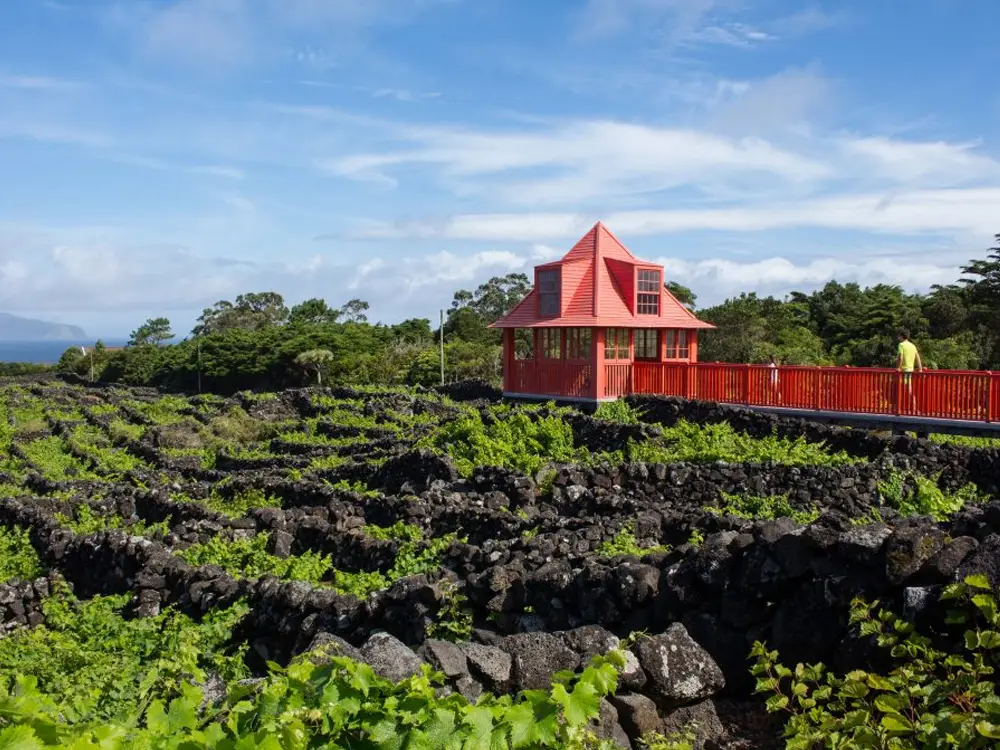
Beyond its symbolic meaning, Mount Pico also shaped the island’s economy and culture. The UNESCO-listed vineyards of Pico, built on volcanic soil, stand as a testament to human adaptation to this unique environment.
The adventure begins at the Casa da Montanha (Mountain House), located at 1,200 meters above sea level, where climbers must register before starting the ascent.
Many hikers choose to start the climb before dawn to experience the breathtaking sunrise from the summit, offering panoramic views of neighboring islands such as Faial, São Jorge, and even Terceira on clear days.ascer do sol no cume, que oferece vistas deslumbrantes para as ilhas vizinhas Faial, São Jorge e até a Terceira em dias claros.

While climbing Mount Pico is the highlight, the island offers plenty of other unforgettable experiences:
When it comes to accommodation, visitors can choose from boutique hotels with sea views, traditional rural houses, or sustainable eco-lodges integrated into the natural landscape.
1. How long does it take to climb Mount Pico?
Between 7 and 10 hours, including ascent and descent.
2. Do I need a guide?
Not mandatory, but highly recommended for safety.
3. What is the best season to climb?
From June to September, when the weather is more predictable.
4. Is it safe to climb in winter?
It’s possible but not recommended, as conditions are harsh and unstable.
5. What equipment should I bring?
Hiking boots, warm clothing, flashlight, food, and water.
6. Are there activities besides climbing?
Yes – from whale watching and wine tasting to exploring Pico’s cultural heritage.
The Mount Pico Azores is far more than just Portugal’s highest mountain. It is a cultural icon, a natural wonder, and a destination that blends adventure, history, and sustainable tourism. Whether you aim to conquer its peak, admire its landscapes, or immerse yourself in Azorean traditions, Mount Pico promises an unforgettable experience.