The history of Madeira is a living testament to Portuguese maritime expansion and the forging of a unique island identity. Discovered in 1418 with the arrival at Porto Santo, and colonized from 1420, the island of Madeira became one of Portugal’s first overseas territories. Over the centuries, it faced challenges and transformations that culminated in its recognition as an Autonomous Region in 1976

The discovery of Madeira began in 1418, when João Gonçalves Zarco and Tristão Vaz Teixeira, sailing under the orders of Prince Henry the Navigator, first reached Porto Santo after being driven off course by storms. In 1419, they sighted the main island of Madeira from Porto Santo, and formal colonization began in 1420. This marked the start of Portuguese Atlantic expansion.
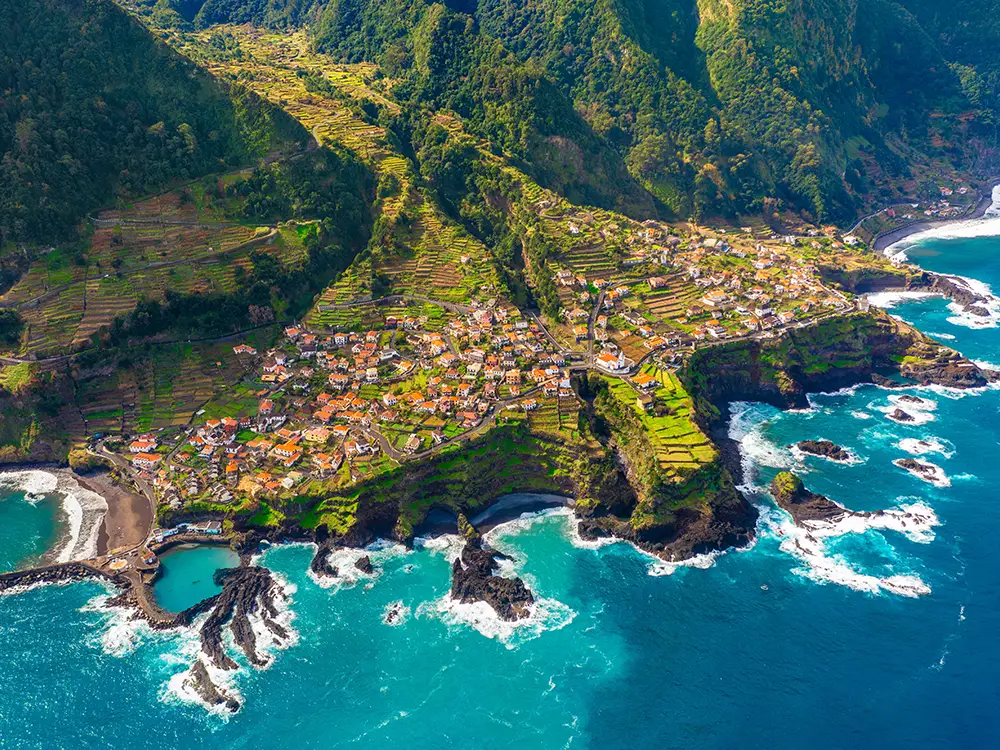
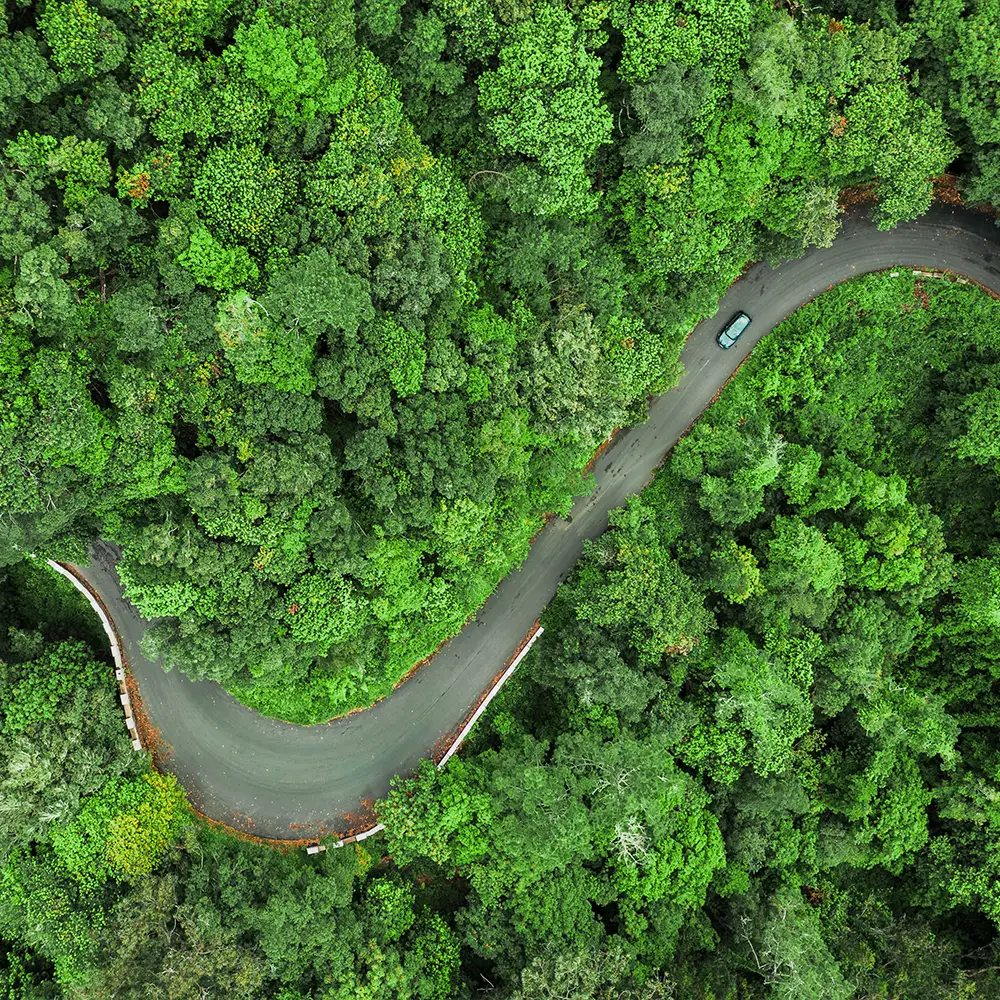
The island was uninhabited and covered by a dense Laurissilva forest. The name “Madeira” means “wood” in Portuguese, reflecting its abundant forests. The first settlers cleared the land through controlled burns, creating the famous levadas (irrigation channels) to distribute water from the mountains across the island.
The fertile volcanic soil and innovative irrigation systems made Madeira ideal for agriculture. Initially, settlers cultivated wheat and other cereals, but by the mid‑15th century, sugarcane had become the dominant crop, turning Madeira into one of Europe’s leading sugar producers and bringing about its first major economic boom.
It was then that Madeira wine emerged as a new export product. Its distinctive feature — a heating technique that simulates the conditions of long sea voyages — gave it unique durability and flavor. In the 18th century, this wine was prized in European courts and in the American colonies.
It is even said that Madeira wine was used to toast the signing of the United States Declaration of Independence in 1776. During this period, the British presence on the island intensified, leaving visible marks on the architecture of the quintas (manor estates), in the gardens, and in Madeira’s very social fabric
During the French Invasions, British troops occupied Madeira between 1807 and 1814 to prevent the island from falling into Napoleon’s hands. This temporary occupation strengthened the already existing ties between the British and the Madeirans.
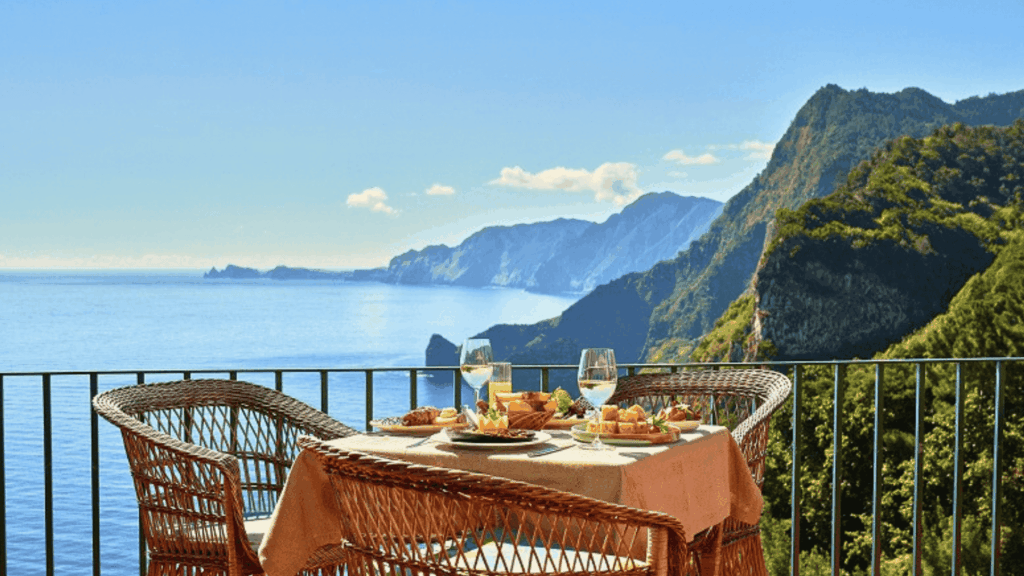
Throughout the 19th century, Madeira also became an elite destination for aristocrats and patients seeking a cure, thanks to its mild climate. Funchal flourished with hotels, seaside promenades, and manor houses, paving the way for Madeira’s future as a tourist destination.
British influence left deep marks on the island’s architecture, gardens, and culture itself. The English brought not only capital and expertise, but also a new way of seeing and living on the island — a legacy that endures to this day.
Today, Madeira is a dynamic and modern region that proudly preserves its cultural identity. Tourism, agriculture (such as bananas and wine), and services are the pillars of its economy. The Laurissilva forest, hiking trails, traditional festivals, and architectural heritage attract visitors from all over the world.
But the history of Madeira is not limited to economic achievements. Above all, it is a narrative of resilience and adaptation. Over the centuries, this isolated territory has managed to reinvent itself, facing natural hardships, economic challenges, and political transformations without ever losing its essence. The ability to adapt to circumstances and turn obstacles into opportunities is a defining trait of Madeiran identity.
With more than 600 years of history, from the landing of the first navigators to the achievement of Autonomous Region status, Madeira has built a unique legacy. That legacy lives in the stones of the levadas, in the taste of its wine, in the words of its people, and in the breath of the wind that sweeps through the mountains. The island continues to write its story — honoring the past, living the present, and embracing the future with confidence and authenticity.